Cracking China’s E-Commerce Code: Strategic Paths for Global Brands
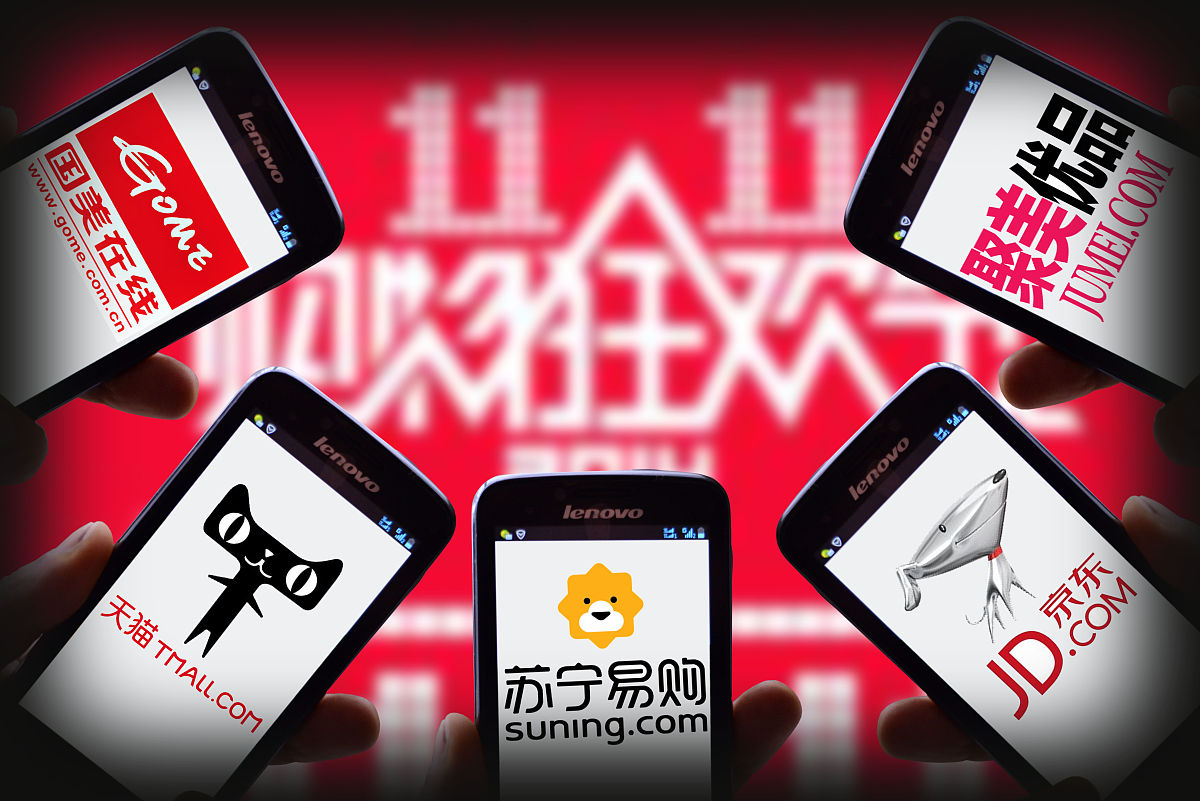
China’s e-commerce landscape is a dynamic and perpetually evolving ecosystem, powered by cutting-edge technology, shifting consumer behaviors, and increasingly sophisticated digital platforms. For international brands looking to enter or expand in this colossal market, a nuanced understanding of its platform terrain is not just advantageous—it’s imperative.
This guide provides an in-depth analysis of China’s leading e-commerce players, decoding their unique mechanics and delivering actionable strategies to help global brands successfully navigate this complex digital arena.
1. Tmall: The Premium B2C Bastion
As Alibaba’s flagship B2C marketplace, Tmall continues to dominate China’s e-commerce sector. It offers a reputable and trusted environment for both domestic and international brands, underpinned by its vast user base and rigorous quality control systems.
Core Strengths:
Brand-Led Ecosystem: Centered on official brand storefronts, it guarantees authenticity and fosters strong consumer trust.
Tmall Global: A dedicated cross-border channel that allows international brands to sell directly to Chinese consumers without a physical local entity.
Sophisticated Data Analytics: Provides merchants with powerful tools to derive consumer insights, refine marketing campaigns, and optimize sales funnels.
Strategic Imperative:
Establishing a store on Tmall Global is a foundational step for market entry. It enables brands to leverage Alibaba’s extensive logistics and secure payment infrastructure, significantly lowering barriers and simplifying market operations.
2. JD.com: The Paragon of Logistics and Reliability
JD.com has carved its niche through an unwavering commitment to speedy, reliable delivery and product genuineness. With a strong foothold in electronics, appliances, and premium goods, it is the platform of choice for consumers who value quality and efficiency.
Core Strengths:
Proprietary Logistics Network: Its self-owned and operated supply chain guarantees ultra-fast, often 24-hour, delivery in major urban centers.
Stringent Quality Assurance: Rigorous vetting of sellers and products ensures high standards and virtually eliminates counterfeit risks.
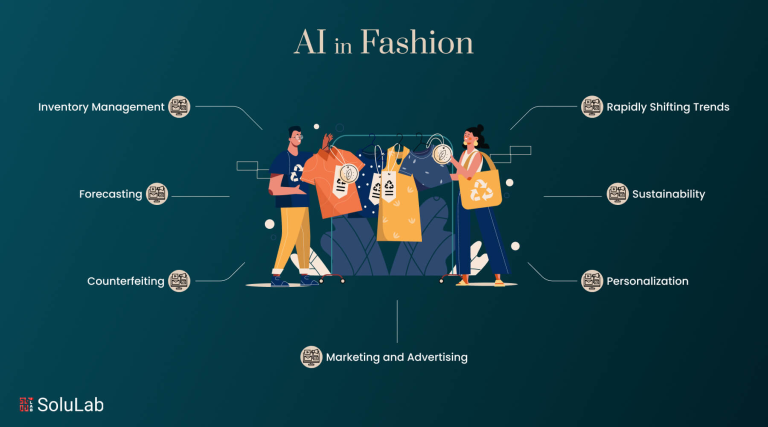
AI-Powered Operations: Harnesses artificial intelligence and big data to personalize shopping experiences and streamline inventory management.
Strategic Imperative:
Brands in electronics, home appliances, and high-end segments should prioritize JD.com. Its reputation for authenticity and operational excellence helps build immediate credibility with discerning Chinese consumers.
3. Pinduoduo: The Social Commerce Vanguard
Pinduoduo has revolutionized online retail with its innovative group-buying model, rapidly ascending as the top destination for value-driven shoppers seeking compelling deals.
Core Strengths:
Collaborative Purchase Model: Drives user acquisition and viral sharing by incentivizing group orders to unlock lower prices.
Gamified User Engagement: Integrates interactive game elements that enhance stickiness and transform shopping into an entertaining experience.
Value-Centric Proposition: Focuses on affordable products across diverse categories, capturing a broad demographic and geographic user base.
Strategic Imperative:
For brands targeting the mass market and price-sensitive consumers, Pinduoduo is indispensable. Leveraging its group-buying mechanics can rapidly drive volume, enhance brand visibility, and penetrate lower-tier cities.
4. Douyin: The Content-Commerce Juggernaut
Douyin, the Chinese counterpart to TikTok, has redefined e-commerce by merging short-form video and live-streaming into a potent, immersive shopping environment.
Core Strengths:
Live-Scale Commerce: Real-time live streams hosted by influencers and brands demonstrate products, foster interaction, and catalyze impulse purchases.
Frictionless In-App Transaction: A seamless checkout process within the app minimizes purchase barriers and capitalizes on moments of inspiration.
Algorithm-Driven Discovery: Advanced AI curates personalized product recommendations based on user engagement, ensuring highly relevant content delivery.
Strategic Imperative:
Brands should collaborate with Key Opinion Leaders (KOLs) and create captivating video content to showcase products. This strategy not only generates direct sales but is also crucial for building brand relevance among younger, digitally-native audiences.
5. Xiaohongshu (Little Red Book): The Lifestyle Discovery Engine
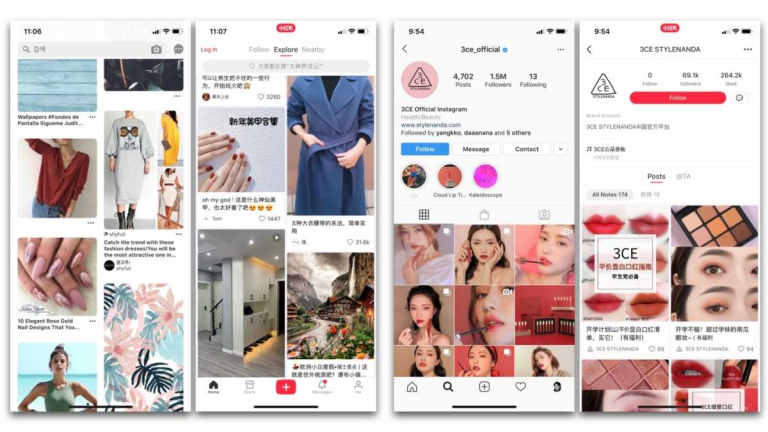
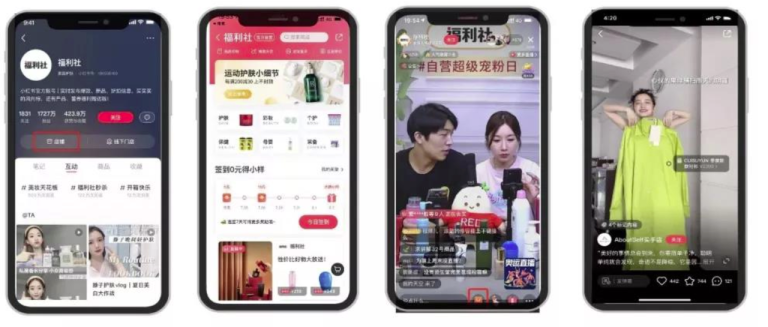
Xiaohongshu masterfully blends social content with e-commerce, focusing on lifestyle, beauty, fashion, and wellness. It has become the essential platform for consumers seeking authentic reviews and inspiration.
Core Strengths:
Rich User-Generated Content (UGC): A repository of detailed, honest product reviews and lifestyle stories that builds a foundation of trust.
Community-Driven Trust: A culture centered on community and shared interests fosters genuine connections and high engagement.
Integrated Commerce: Allows direct purchasing of discovered products, seamlessly converting inspiration into immediate action.
Strategic Imperative:
Lifestyle, beauty, and fashion brands can thrive on Xiaohongshu. By cultivating UGC, partnering with niche influencers, and engaging authentically with the community, brands can drive discovery and foster profound long-term loyalty.
6. WeChat Mini Programs: The Embedded Commerce Solution
WeChat, China’s ubiquitous super-app, offers Mini Programs—lightweight, integrated applications that enable brands to build a comprehensive shopping experience directly within its ecosystem.
Core Strengths:
Deep Ecosystem Integration: Users can browse, pay, track orders, and engage with brands without ever leaving WeChat, ensuring unparalleled convenience.
Customizable Storefronts: Brands can design tailored digital storefronts that reinforce brand identity and enhance the user journey.
Seamless Loyalty Building: Leverages WeChat Pay and social sharing features to implement effective retention programs like membership points and exclusive offers.
Strategic Imperative:
Developing a WeChat Mini Program is a strategic move for brands aiming to build a seamless, always-accessible presence. It facilitates continuous customer engagement, nurtures loyalty, and drives repeat purchases within the daily digital lives of consumers.
Conclusion
China’s e-commerce market is characterized by its strategic plurality. Each platform presents a distinct set of features and audience touchpoints. A nuanced understanding of these platforms’ strengths and strategic values empowers global brands to navigate the market with precision, tailor their outreach, and forge meaningful connections with Chinese consumers.
For brands committed to succeeding in China, a holistic omnichannel approach—harnessing Tmall for brand prestige, JD.com for reliability, Pinduoduo for mass-market reach, Douyin for engagement-driven sales, Xiaohongshu for community trust, and WeChat for integrated customer journeys—will lay the groundwork for sustainable growth in the world’s most dynamic digital marketplace.