
How Chinese Digital Platforms Are Revolutionizing Garment Manufacturing
Historically, garment manufacturing has offered many low-income countries a path to industrialisation and increased incomes. But the global garment industry is fiercely competitive, with producers constantly seeking ways to lower their costs and produce more efficiently, including through the use of technology.
Nowadays, much of the focus is on the automation of garment production, where machines are performing tasks better and faster than human workers. Another less-discussed yet equally important process of technological upgrade is underway: the rise of digital platforms to optimise supply chain management through data-driven solutions.
Central to this model is the backward integration of e-commerce companies towards manufacturing. Chinese digital platforms, such as the fashion retail giant Shein, have been the major players experimenting and driving this platform-led industrial change.
Chinese digital platforms: the case of Shein
Founded in 2012 as an e-commerce company, Shein has rapidly become the most downloaded shopping app in the US, surpassing even giants like Amazon. What’s the secret to their success? Shein’s exponential growth came with its ability to produce and supply a wider variety of clothes faster and cheaper than its competitors, all while maintaining profitability.
Although established fashion brands like Zara use early models of data-driven design, production, inventory and supply chain management, Shein has taken all these aspects to a new level. It is estimated that Shein cuts Zara’s production time almost by half through small batch production, which it manages to keep at 100-200 pieces per design, versus Zara’s minimum batch size of 300-500 pieces. Due to the low cost of every batch and closer integration between production and real-time consumer data, Shein was able to launch more than 150,000 new items in 2020 – about ten times more than Zara. Moreover, with Shein’s average price for women’s clothing in 2022 less than US$ 16, compared to Zara’s US$ 48, Shein’s appeal is undeniable.
While some sources suggest that Shein might have been involved in unfair business practices – copying designs from other brands, not complying with environmental and labour regulations, or benefitting from import tax exemptions by shipping small (under $800) packages – there is more to Shein’s business model. The key to Shein’s success is the innovative use of digital platforms and systems. Although Shein has not disclosed much of it, several analyses, including an interview with a senior executive of the company, reveal that the company uses a highly controlled and efficient supply chain, sustained by data-driven management and execution systems, that does not require ownership or ‘physical’ control over procurement and manufacturing etc.
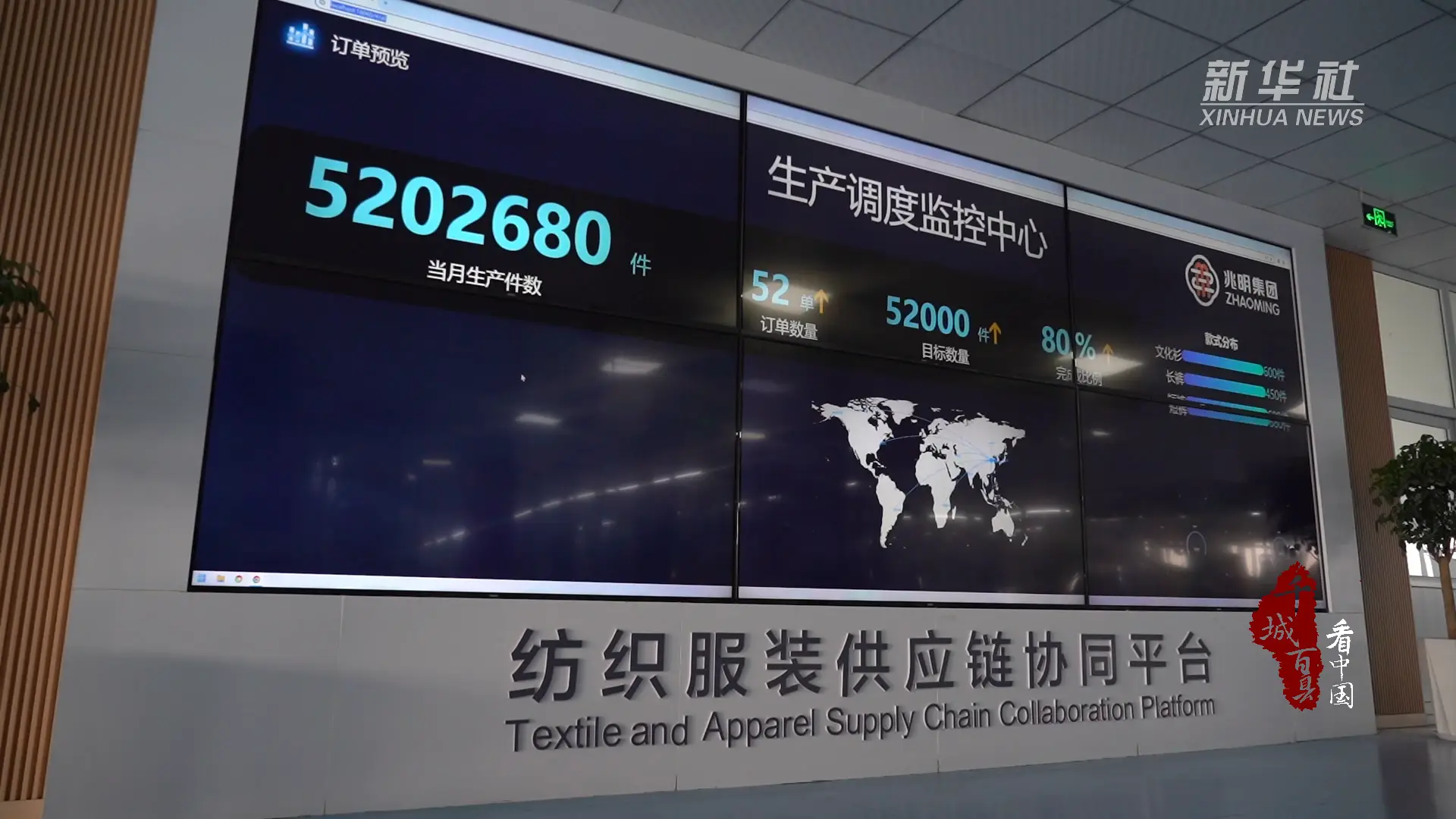
Shein has neither integrated the supply chain nor automated the production process like other fashion brands. Instead, it relies on digital control of its supply chain. The Manufacturing Execution System (MES) built by Shein allows the company to store and manage all data related to its suppliers. It enables Shein to regulate and optimise its production task distribution and effectively control the factories and workshops that receive orders. Human workers, not automated machines, then produce small batches of clothes for each listing. Later, feedback from the platform analyses consumer data instantly and determines how many more items to produce. The Shein model therefore entails automation not of production, but of data collection, analysis, communication and decision-making in the manufacturing process.
To implement this model, Shein currently relies on China’s vast network of small factories and workshops. Its model requires speed, agility and well-developed physical and digital infrastructures, which, except for China, not many countries have. The Shein model exerts a lot of pressure on producers, who have to respond quickly and flexibly to various orders – and relies on the ability that Chinese manufacturers have developed over decades of experience in light manufacturing.
What does this mean for low-income countries that are trying to develop garment manufacturing?
Since this platform-led manufacturing model exploits the advantages developed by Chinese producers, production remains anchored in China rather than moving to low-income countries. This makes breaking into the garment sector more difficult for countries that do not have the right infrastructure, a robust producer ecosystem, or do not wish to contribute to the potential environmental and labour issues linked to the platform-based model.
Southeast Asian countries, many already involved in garment production for the international market, have the potential to develop Shein-like production models. However, if the platform providers are not diversified, manufacturers risk becoming dependent on a single company. Moreover, the digital and physical infrastructure gap in Southeast Asia is still large – estimated at around 2 to 3 billion USD on average for each country in the region (with the exception of Singapore).
For African countries, integration into the platform-led manufacturing model is even more challenging. Most African countries face large infrastructure gaps, and except for a handful of efficient producers, the rest of the continent is still developing the capacity to produce quickly and at competitive prices. The success of Shein suggests that African countries should not expect a massive relocation of small to medium garment manufacturers from China; instead, they may find opportunities to attract larger fast-fashion brands to set up factories there or explore the manufacturing of mid to higher-end, designer-based or sustainable garments for global consumption.
Even so, Shein has opened a few manufacturing bases in other countries, such as Brazil and Turkey – choosing locations based on proximity to markets, rather than lower labour costs. This suggests that some hope is there for low-income countries to move into this production model. The key lesson for them is the importance of understanding the strategic role of digital technologies in the fashion industry and how they can be best aligned with local industrial and unique labour strengths.