A Preliminary Exploration of the D2C Business Model in the Apparel Fashion Industry
I. Introduction
In today’s digital age, consumers’ shopping habits have changed significantly, and the demand for online shopping and convenient delivery is growing day by day, prompting a new revolution in the retail and consumer goods supply chains. The D2C (Direct-to-Consumer) business model, as a retail approach that directly reaches consumers through the Internet, has emerged. Many industries have been testing the waters, and the apparel fashion industry is one of the most active fields.
II. Overview of the D2C Business Model
(I) Definition and Model Characteristics
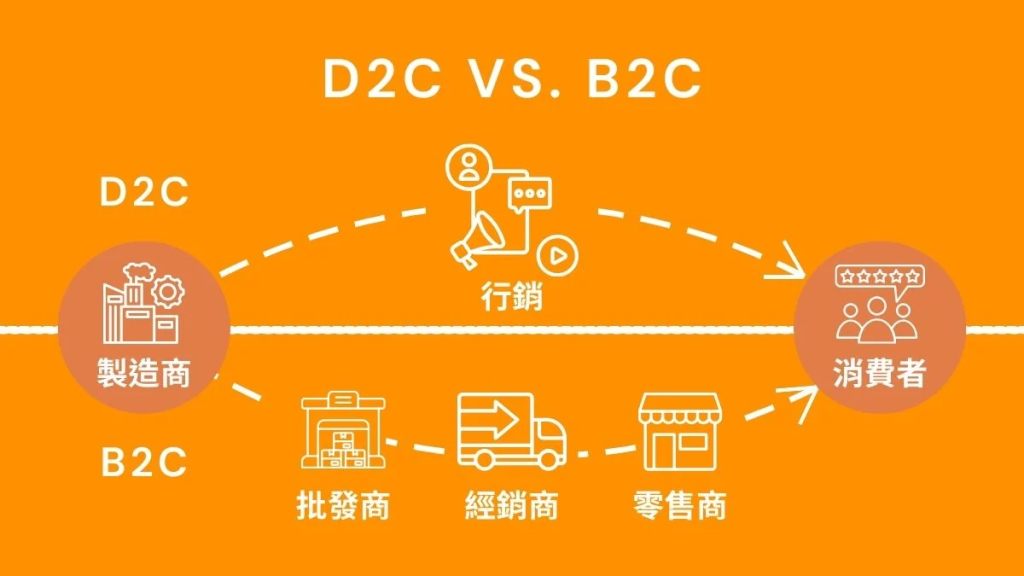
The D2C business model means that manufacturers and producers use their own channels to bypass intermediaries such as wholesalers and distributors and directly sell products to target consumers. In the apparel fashion industry, these channels cover social media, e-commerce platforms, and brand-owned retail stores. Brands can directly deliver fashionable clothing to consumers through their own fulfillment facilities, online marketplaces, or external logistics companies, realizing a rapid turnaround from design and production to sales.
(II) Differences from Traditional Business Models
In the traditional apparel business model, brands wholesale products to retailers, and retailers then distribute them layer by layer to various stores. There are multiple barriers between brands and consumers, resulting in poor information transmission and weak control over terminal sales by brands. However, the D2C model breaks this pattern by removing intermediaries and allowing brands to directly face consumers. It can not only accurately grasp market demands but also quickly adjust product designs and marketing strategies based on consumer feedback.
III. The Current Situation of the D2C Business Model in the Apparel Fashion Industry
(I) Market Scale and Brand Cases
In recent years, D2C brands in the apparel fashion industry have emerged in large numbers. Taking India as an example, according to the data provided by KPMG India, more than 800 D2C brands are active there, generating over 100 billion by 2025. Globally, many successful D2C apparel fashion brands have come to the fore. They have attracted a large number of loyal consumers with unique designs, high-quality fabrics, and personalized shopping experiences. For example, some brands focusing on sustainable fashion sell organic cotton clothing directly to environmentally conscious consumers through online platforms.
(II) Consumer Preferences and Behavioral Impacts
Today’s consumers, especially the younger generation, rely heavily on digital platforms to obtain fashion information and trends, and show higher enthusiasm for trying new brands and shopping online. They prefer to interact directly with brands and customize clothing that suits their own styles. The D2C model precisely meets this need. Brands can use social media to showcase the latest collections, share dressing inspirations, and consumers can enjoy fast delivery and considerate after-sales service after placing orders. This fully controlled shopping experience greatly enhances consumer satisfaction and loyalty.
IV. Advantages of the D2C Business Model in the Apparel Fashion Industry
(I) Cost Control and Price Advantages
By abandoning wholesalers and retailers, apparel fashion brands save a large amount of channel costs, including distribution expenses, store rents, and intermediate profit sharing. This enables brands to bring products to the market at more competitive prices, provide consumers with cost-effective fashion items, and at the same time ensure their own profit margins, achieving a win-win situation for both brands and consumers.
(II) Brand Building and Customer Relationship Strengthening
Under the D2C model, brands establish a direct communication bridge with consumers. Through social media interactions and user review collections, brands can deeply understand consumers’ preferences, body characteristics, and wearing scenarios, providing a strong basis for product research and development and brand communication. Brands can quickly iterate products based on consumer feedback, launch limited-edition and co-branded clothing, strengthen brand personalities, establish deep emotional connections with consumers, and enhance brand recognition and reputation.
V. Future Development Trends of the D2C Business Model in the Apparel Fashion Industry
(I) Omni-Channel Marketing
In the future, D2C apparel fashion brands will integrate online and offline channels to create a seamless shopping experience. Consumers can browse products online, make appointments for offline try-ons, and offline stores will serve as brand display, experience, and after-sales service centers. Data will be shared between online and offline channels to achieve precise marketing. For example, a brand attracts consumers to its offline store for a new product launch through online advertising. After trying on the products on-site, consumers can directly place orders online and enjoy door-to-door delivery service.
(II) Exploring Emerging Markets
With the acceleration of globalization, D2C apparel fashion brands have the opportunity to break geographical limitations and tap the potential of emerging markets. By studying cultural, consumption habit, and aesthetic differences in different regions, brands can develop special products for local consumers and expand their consumer groups. For example, some European and American minimalist clothing brands enter the Asian market and incorporate Asian traditional elements into their designs for improvement to meet the needs of local consumers for the integration of fashion and culture.
(III) Personalization and Customization Upgrade
With the help of big data and artificial intelligence technologies, D2C brands will further deepen personalized services. Based on consumers’ past purchase records and browsing behaviors, brands can analyze their style preferences, accurately recommend clothing combinations, and even provide customized cutting, fabric selection, and other services. After consumers place orders, brands can use flexible production technologies to respond quickly and achieve high-end custom-made experiences for each individual.
(IV) Innovation in Social Media Marketing
Social media will remain the main battlefield for D2C brand marketing. In the future, brands will more skillfully use collaborations with influencers and KOLs to carry out creative marketing activities. Besides traditional dressing displays and product promotions, brands can use social media for live streaming sales, hold online fashion challenges, etc., to stimulate consumers’ participation enthusiasm, expand brand communication scope, and enhance brand influence.
(V) Focus on Sustainable Development
Environmental protection and sustainable development have become a global consensus. D2C apparel fashion brands will take this opportunity to practice green concepts in all aspects, from raw material procurement, production processes to packaging and delivery. They will use organic and recycled fabrics, promote environmentally friendly printing and dyeing technologies, adopt degradable packaging, convey the brands’ social responsibilities to consumers, attract environmentally conscious consumer groups, and shape the long-term competitiveness of the brands.
VI. Conclusion
The D2C business model has brought unprecedented development opportunities to the apparel fashion industry, reshaping the relationship between brands and consumers and promoting innovation and transformation in the industry. Although currently facing numerous challenges such as supply chain management and brand competition, with technological progress and market maturity, its future development prospects are broad. Apparel fashion enterprises should actively embrace the D2C model, closely follow the trend of the times, explore consumer needs, and drive brand growth through innovation, so as to stand out in the fierce market competition and create a new era for the apparel fashion industry.