Symbiosis of Virtual and Real, Reshaping of Value: A Prospect of the New Operation Paradigm in the Fashion Industry in 2026
Driven by the dual forces of technological iteration and drastic changes in consumer concepts, the fashion industry is undergoing a profound transformation from a “product-oriented” model to a “value-oriented” one. In 2026, the core logic of industry operation will be fully shifted to “human-centered technological empowerment”. New paradigms such as the integration of virtual and real, sustainability, and community co-creation will redefine the survival and growth rules for fashion brands.
I. In-depth Integration of Technology: The Full-chain Leap from “Digitalization” to “Intelligentization”
The application of technology in the fashion industry has moved beyond the stage of single-point breakthroughs and entered a new phase of full-chain intelligent integration. Technology is no longer merely a tool for improving efficiency but has become the core engine for reshaping a brand’s competitiveness.
1. AI-driven Dynamic Operation Closed Loop
AI technology will run through the entire process of the fashion industry, from design to marketing. At the front end, based on global fashion trends, social media popularity, and consumer preference data, AI can quickly generate design schemes that are both creative and marketable. In the middle end, by integrating real-time sales data, regional weather changes, and logistics efficiency, AI enables dynamic pricing and intelligent inventory allocation, thus avoiding overstocking or stockouts. At the back end, AI-powered intelligent customer service can accurately respond to consumer inquiries, and at the same time, feed back data from user conversations to optimize products, forming an operation closed loop of “design – production – sales – feedback”.
2. Virtual-real Linked Consumer Experience System
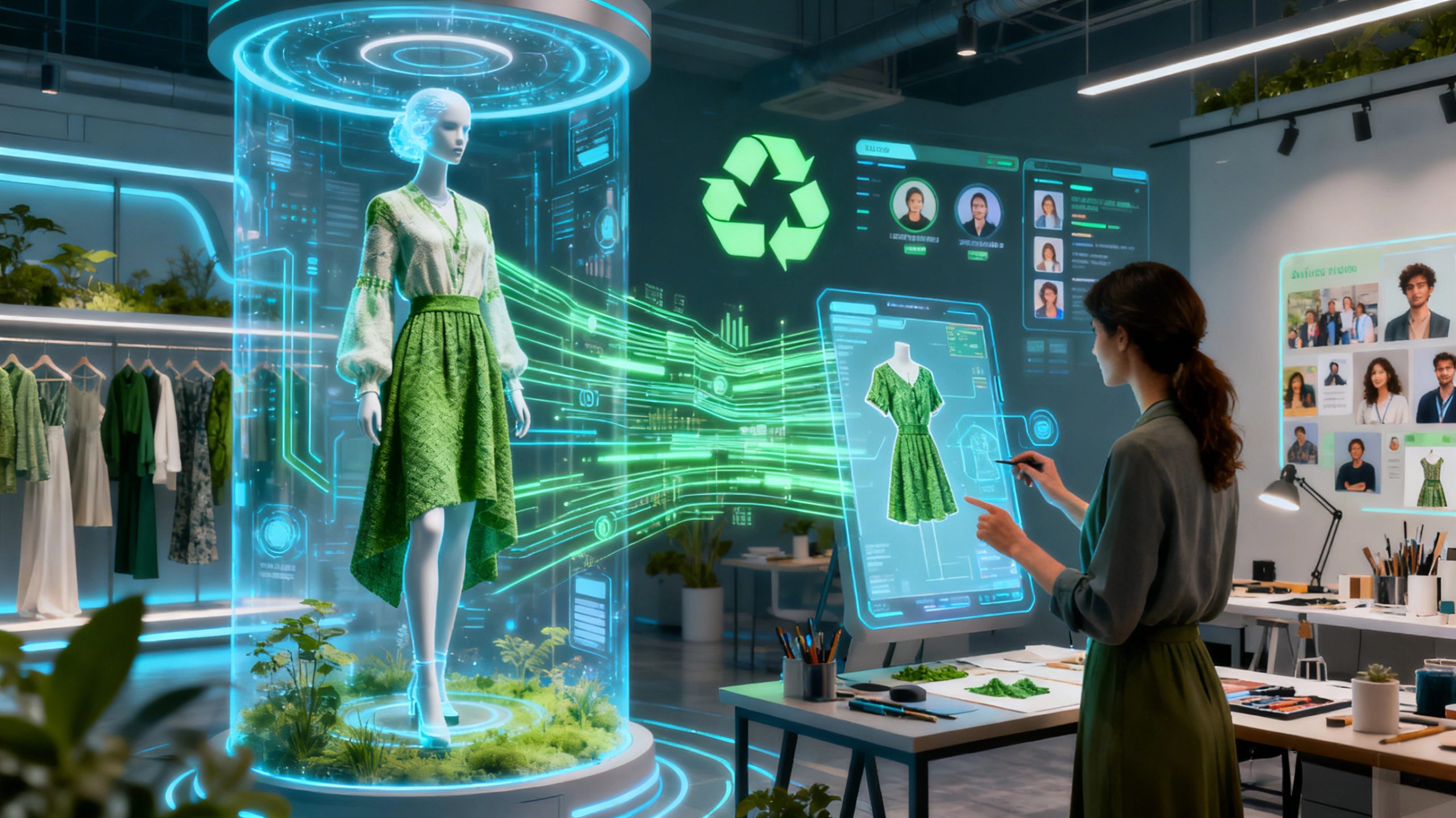
The “symbiosis of virtual and real” will become the standard for brand experience. On one hand, physical products will be equipped with digital rights. After purchasing clothing, consumers can receive digital wearable assets of the same style, which can be used to build avatars on social platforms and in metaverse scenarios, realizing the “one garment, two uses” model. On the other hand, AR fitting systems will be widely used in offline stores. Consumers can experience virtual new styles without changing clothes, and even simulate the wearing effects of clothing in different occasions through virtual scenarios, breaking the display limitations of physical shelves.
3. Blockchain-empowered Sustainable Trust System
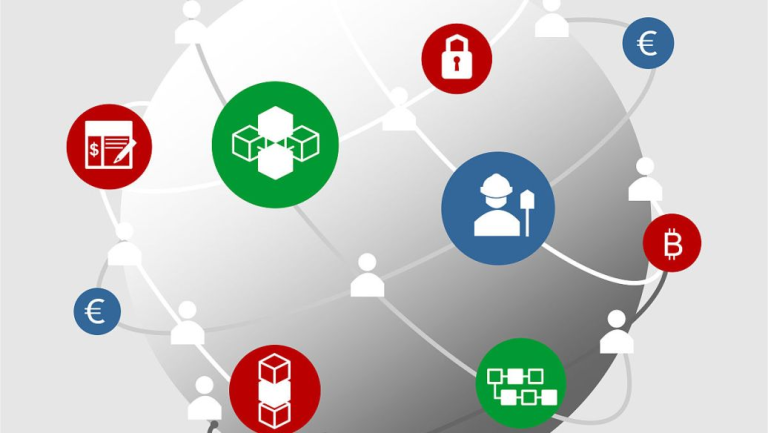
Sustainability is no longer a marketing gimmick for brands but a quantifiable and traceable rigid standard. With the full implementation of blockchain technology, the entire life cycle information of clothing has become transparent. By scanning a QR code, consumers can check the source of fabrics, the carbon emissions of production factories, and the water consumption data during the transportation process. A brand’s environmental protection initiatives are transformed from “verbal commitments” into verifiable trust assets, strengthening the brand’s credibility.
II. Evolution of Consumers’ Values: The Demand Upgrade from “Ownership” to “Experience and Significance”
The demands of the new generation of consumers for fashion have shifted from simply “owning clothing” to “gaining emotional value and identity through clothing”, driving the brand operation logic to tilt towards emotional connection and cultural resonance.
1. Product Design Oriented to Emotional Healing
Clothing is becoming a “healing carrier” that combines practical functions and emotional value. Intelligent fabric clothing with temperature control and adaptive touch can adjust comfort according to the environment and body feeling. Clothing with flexible structures and adaptive versions can fit different body shapes and activity states. Some brands will even integrate functions such as fragrance release and pressure sensing, making clothing a daily companion for consumers to relieve emotional anxiety and enhance psychological pleasure.
2. Revival of Local Culture Under the Anti-fast Fashion Trend
The “high-consumption, low-retention” model of fast fashion is gradually losing its appeal. Consumers are beginning to favor niche brands with cultural heritage and the warmth of handcraftsmanship. The focus of brand operation has shifted from “large-scale distribution” to “cultural narrative construction”: exploring local intangible cultural heritage crafts and collaborating with local designers to create limited-edition collections; telling the humanistic stories of fabric origins and strengthening the brand’s cultural label through community sharing, achieving differentiated competition with a “small but beautiful” model.
3. In-depth Co-creation Community Operation Model
Consumers have transformed from passive purchasers into “co-builders” of the brand. Brands can build online co-creation platforms, allowing users to participate in voting for design schemes, selecting fabric materials, and even sharing part of the profits from product sales. At the same time, through exclusive member communities and offline co-creation workshops, a “joint ownership” between the brand and users is established, making users loyal communicators of the brand.
III. Innovation in Business Models: Diverse Breakthroughs in Circulation, Service, and Scenarioization
The traditional “selling products” model can no longer meet market demands. In 2026, fashion brands will achieve the sustainability of revenue structures and the long-term growth of user stickiness through the combination of diverse business models.
1. Closed-loop Service of Integrated Subscription, Rental, and Sales
Mainstream brands will connect the entire chain of “ownership – rental – second-hand resale” and launch their own rental and subscription services. Consumers can make flexible choices according to their needs: renting high-end customized clothing for short-term occasions, subscribing to basic commuter clothing for long-term use, and reselling idle clothing through official brand channels. Through this closed-loop service, brands can lock in long-term consumer spending, reduce clothing waste caused by idleness, and realize the unification of commercial value and social value.
2. One-stop Solution of “Clothing as a Service”
The trend of shifting from “selling products” to “selling services” is emerging. Brands will build full-life-cycle service platforms, providing personalized styling consultation, professional cleaning and maintenance, and old clothing transformation and upgrading services. For example, providing lifelong maintenance services for high-end customized clothing, and launching “trade-in + transformation” packages for basic clothing. By extending the service life of clothing, a long-term binding relationship with users is established.
3. Ultra-personalized On-demand Production System
The combination of 3D scanning, AI body measurement, and small-batch flexible supply chains has made high-end customization no longer exclusive to a few people. Consumers can complete 3D body scanning through offline stores or online tools. The AI system accurately generates version data, and flexible factories quickly complete small-batch production, realizing ultra-personalized supply with “one version per person and one piece per order”. This not only meets consumers’ demand for well-fitting clothing but also helps brands achieve zero-inventory operation and reduce production and sales risks.
IV. Integration of Content and Retail: Immersive Experience Reshaping the Consumption Scenario
The boundary between online and offline retail is gradually blurring. Brands have begun to transform physical stores into “content generation venues” and upgrade live streaming into “immersive interactive scenarios”, improving user participation and conversion efficiency through enhanced experience.
1. Content-oriented Transformation of Offline Stores
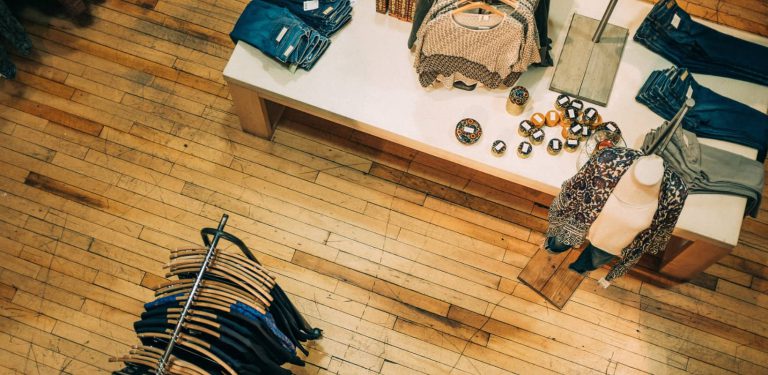
Traditional sales-oriented stores have transformed into composite spaces integrating shopping, socializing, and cultural experience: setting up designer exhibition areas in stores and holding regular handcraft workshops; introducing coffee leisure areas and live streaming shooting areas, allowing consumers to enjoy social and cultural experiences while shopping; creating topics through themed pop-up events, driving users to visit stores for check-ins and share on social platforms, forming a closed loop of “experience-driven traffic – consumption conversion – word-of-mouth communication”.
2. Immersive Upgrade of Live Streaming E-commerce
Traditional product-promotion live streaming has evolved into “immersive scenario-based shopping”. With the help of XR technology to build virtual scenarios, hosts can switch between different scenarios such as business commuting, outdoor camping, and dinner parties to display clothing effects. Viewers can interact in real time, putting forward demands such as version adjustments and matching suggestions. Hosts can change the display content in real time according to interactive instructions, making the shopping process both interesting and practical, and improving the efficiency of user decision-making.
V. Core Challenges and Solutions
During the transformation to the new paradigm, brands will face multiple challenges and need to formulate targeted solutions:
| Challenges | Operational Solutions |
| Data Privacy and Security | Issue a transparent data usage policy, clearly informing users of the purpose and scope of data usage; introduce privacy computing technology to complete data analysis without disclosing users’ original data; allow users to benefit from data contribution, such as providing exclusive discounts and priority purchase rights for new products. |
| Cold Experience Caused by Over-digitalization | Balance technological and humanistic touchpoints, retaining services such as offline exclusive consultants and member artificial customer service; hold regular offline member salons to strengthen face-to-face emotional connections, realizing “technology empowering human relationships”. |
| Balance Between Globalization and Localization | Adopt a “global design + localized implementation” strategy, maintaining a unified brand tone in core designs while selecting local sustainable materials and integrating regional cultural elements for different markets, making products have both international perspectives and local affinity. |
VI. Core Characteristics of Leading Brands in 2026
Brands that can stand out in the industry transformation will possess four core capabilities:
- In-depth Integration of Technology Stacks: Possessing independent and controllable AI analysis platforms and full-chain data management capabilities, enabling the collaborative linkage of technical tools.
- Transparency in Sustainable Practices: Integrating the concept of sustainability into the entire supply chain, production, and sales processes, with all environmental protection initiatives verifiable through technologies such as blockchain.
- Community-driven Operation: Users deeply participating in brand co-creation, forming a highly sticky brand community where users are both consumers and communicators.
- Agility in Business Models: Being able to flexibly switch between profit models such as product sales, subscription services, second-hand platforms, and experience economy to adapt to the changing needs of different market environments.
Conclusion
In the fashion industry in 2026, the core logic of operation has shifted from “efficiency first” to “value first”. Only by taking technology as a bridge, connecting virtual and real experiences, deepening emotional connections, fulfilling sustainable commitments, and building a community ecosystem can brands gain a firm foothold in the industry transformation. For practitioners, the present is a crucial window period to lay out data capabilities, explore circular business models, and pilot virtual-real experiences. Only by making early preparations can they seize the initiative in the future market competition.