
Instagram Fashion Brands: A Detailed Guide to Content Creation and Publishing Strategies
In Instagram’s marketing ecosystem, “content” serves as the core link connecting brands with users, while “publishing strategies” determine whether high-quality content can accurately reach the target audience. For fashion and apparel brands aiming to achieve user growth, product promotion, and conversion through Instagram, it is essential to align content creation with user aesthetics and needs, and precisely match publishing timelines with user activity patterns. Only the combination of these two elements can maximize marketing effectiveness.
I. Content Creation: Building a Fashion Content Matrix That “Drives Desire and Creates Memories”
The core goal of Instagram content for fashion apparel brands is to “make users want to wear the clothes when they see them, and remember the brand after seeing them.” Therefore, content creation must revolve around three core pillars—”visual appeal,” “practicality,” and “brand tone”—to build a diverse content matrix and avoid user aesthetic fatigue caused by monotonous content.
1. Product Display Content: Bringing Clothing to Life, Beyond Simple Exhibition
Traditional product images (such as flat lays on white backgrounds) lack appeal on Instagram. Users are more willing to engage with clothing displays that feature “scenarios, atmosphere, and people.” The key to this type of content is to “convey the wearing experience,” allowing users to imagine themselves in the clothes.
- Scenario-Based Outfit Photos: Integrate clothing into specific life scenarios—for example, a suit set with a briefcase for the commute, a floral dress with a straw hat and canvas shoes for weekend outings, or a jacket with cargo pants for camping. The more specific the scenario, the easier it is for users to feel a sense of connection. Outdoor apparel brand Patagonia, for instance, often posts photos of models hiking in snow-capped mountains and forests while wearing its jackets. This not only showcases the functionality of the clothing but also conveys the brand’s “outdoor lifestyle” philosophy.
- Detail Close-Up Photos: Highlight the design highlights and quality of the clothing, such as embroidered patterns, button materials, fabric textures, and tailoring techniques. Luxury women’s clothing brand Reformation, for example, takes close-up shots of the lace trim on dresses and the frayed details of jeans, accompanied by captions like “Hand-stitched lace, with care in every inch.” This helps users perceive the exquisiteness of the products and dispel concerns about “poor fast fashion quality.”
- Multi-Style Interpretation Photos: Demonstrate the versatility of a single item through different matches to reduce users’ “choice anxiety.” For example, a basic white shirt can be paired with jeans for a casual look, with tailored trousers for a workwear style, or with a midi skirt for a gentle aesthetic. Using the content logic of “1 item = 3 looks” strengthens the practicality of the product and stimulates user purchases.
2. Practical Tips Content: Delivering Value to Enhance User Engagement
Users follow fashion brands not only to see attractive clothes but also to gain styling tips. This “useful” content enhances users’ trust in the brand, transforming the brand from a “clothing seller” into a “fashion advisor” and thereby increasing user engagement.
- Styling Tutorials: Design tutorials for different groups and needs, such as “How to wear a long coat to look taller for 158cm frames,” “Figure-flattering outfits for curvy women: The golden ratio of high-waisted jeans + cropped tops,” and “A week of non-repetitive workwear for commuters: Mix-and-match formulas with 3 tops + 2 pants.” Tutorial content should be simple and easy to understand. It can include text annotations like “Key tip: Raise the waistline by 3cm to visually add 5cm to your height” or use collages to show “before-and-after styling comparisons” to reduce users’ comprehension barriers.
- Seasonal/Festive Themed Outfits: Provide time-sensitive content based on seasonal or holiday milestones, such as “Cherry blossom season outfits: A guide to light pink clothing matching” in spring, “Tips to avoid looking bulky in down jackets: Choose slim-fitting inner layers and show ankles with bottoms” in winter, and “Party outfit recommendations: Sequin dresses + cropped jackets” for Christmas. This type of content comes with “time-sensitive traffic,” as users actively search for relevant keywords, making it easier for brands to gain organic exposure.
- Fabric/Care Tips: Address users’ concerns about “clothing maintenance” by sharing practical knowledge, such as “How to wash a silk shirt? Hand wash in cold water with neutral detergent, avoid direct sunlight,” and “How to deal with pilling on wool coats? Use a lint roller + low-temperature ironing to extend wear life.” Although this content seems unrelated to “selling products,” it demonstrates the brand’s professionalism and care for users, enhancing brand favorability.
3. Brand Story Content: Conveying Tone to Make Users “Fall in Love with the Brand”
On Instagram, users have a greater affinity for brands that are “warm and have a clear stance.” Brand story content helps users understand the philosophy behind the brand, establishing an emotional connection and preventing users from viewing the brand merely as a “clothing seller.”
- Behind-the-Scenes Content: Showcase the process of clothing from design to production, such as photos or short videos of designers’ sketches, fabric selection sites, and factory production workshops. Sustainable fashion brand Eileen Fisher, for example, posts workshop videos of “fabric recycling and reuse,” with captions explaining “Every piece of clothing is made from recycled old fabrics to reduce the burden on the planet.” This conveys the brand’s “environmental sustainability” philosophy and attracts users who share the same values.
- User Story Content: Highlight the wearing stories of existing users, such as “User @Lisa wore our wedding dress for her wedding and said, ‘This is the wedding dress of my dreams,'” accompanied by wedding photos shared by the user (with authorization). This content is more persuasive than brand self-promotion. It not only enhances the sense of belonging for existing users but also allows new users to feel the “emotional value” of the brand.
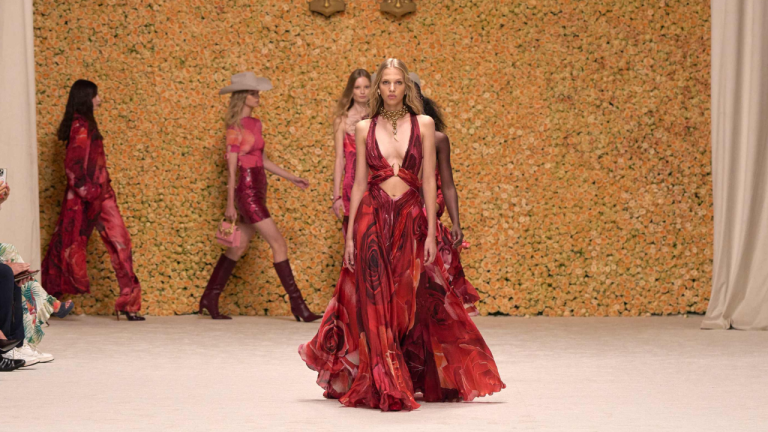
- Brand Event Content: Share content from offline brand events, fashion shows, and public welfare initiatives, such as “Backstage at our 2024 Autumn/Winter new collection show, where models are trying on outfits” and “Today we went to mountainous areas to donate warm coats to children.” Event content enriches the brand image—for example, public welfare activities convey a “socially responsible” image, while fashion show content strengthens a “high-end fashion” tone.
4. Interactive Participation Content: Turning Users from “Onlookers to Protagonists” to Boost Engagement
The core of Instagram lies in its “social nature.” Interactive content breaks the brand’s “one-way communication” model, encouraging user participation, increasing account engagement and user loyalty, and simultaneously generating UGC (User-Generated Content) for the brand, reducing content creation costs.
- Styling Challenge Campaigns: Launch styling challenges that align with the brand’s tone, such as the “#MyWeekendDenimStyle Challenge,” inviting users to post photos of their weekend outfits featuring jeans and tag the brand account. The brand can repost high-quality UGC content and reward winners with “new product experience coupons” or “discount codes.” Levi’s, for example, once launched the “#WearTheChange” challenge, inviting users to share their eco-friendly actions (such as cycling instead of driving) while wearing Levi’s jeans. This not only increased engagement but also conveyed the brand’s “sustainability” philosophy.
- Poll/Q&A Content: Interact with users using Instagram’s “Poll Sticker” and “Q&A Sticker,” such as “New arrivals next week: Style A floral dress vs. Style B striped dress—Which one do you want to see first?” and “What do you most want to know about spring styling? Tell us in the comments!” This type of content makes users feel “valued” while helping the brand collect user needs—for instance, if most users vote for Style A floral dress, the brand can prioritize promoting that product; if users ask, “How to match inner layers with spring jackets,” the brand can create targeted tutorial content.
- UGC Collection Content: Proactively invite users to share photos or videos of themselves wearing the brand’s clothing, such as “Share photos of your daily looks featuring our hoodies, add the hashtag #XXBrandHoodieStyle, and you’ll have a chance to win a new hoodie.” The brand can organize and repost high-quality UGC content, tagging the user’s account. This not only enriches the content library but also gives users a sense of “recognition,” turning them into “brand advocates.”
II. Publishing Strategies: Precisely Matching User Activity Patterns to Avoid “Wasting Content”
Even high-quality content may go unnoticed if published at the wrong time. Instagram’s algorithm judges content quality based on “engagement rates (likes, comments, shares) within 1-2 hours of publication,” then decides whether to push it to a larger audience. Therefore, the choice of publishing timing and frequency directly affects content exposure.
1. Publishing Timing: Targeting “Users’ Spare Time” and Avoiding “Traffic Troughs”
User activity times vary across regions and target groups, but they generally follow the pattern of “being active during spare time”—such as before commuting, during lunch breaks, after work, and before bed. For fashion apparel brands, the following prime time slots require focus (based on major global target markets; time zones can be adjusted according to the brand’s core user location):
- Morning Period (7:00-9:00 local time): Users often browse Instagram before commuting, such as after waking up, during breakfast, or on the way to work. This is the ideal time for “lightweight content,” such as a beautiful outfit photo, a good morning greeting with a new product preview. The content does not need to be complex; it only needs to quickly capture users’ attention and kick off their “fashionable day.”
- Noon Period (12:00-14:00 local time): Users have longer spare time during lunch breaks and are willing to browse more detailed content, such as styling tutorials, multi-photo collages of product displays, and UGC collections. Publishing “practical content” during this time allows users to have enough time to read text descriptions, resulting in higher engagement rates.
- Evening Period (18:00-22:00 local time): This is Instagram’s peak traffic period of the day. Users relax after work and have plenty of time to browse social platforms. This is the right time for “high-quality, high-topic content,” such as scenario-based outfit photos, brand event videos, and interactive challenge launches. Particularly between 20:00-21:00, most users have finished dinner and start focusing on their phones—this is the best time to publish “key content” (such as new product launches or major event previews).
- Avoiding Trough Periods: Content should not be published during times when users “have no time to browse Instagram,” such as 10:00-11:00 on workdays (when users are focused on work) or 00:00-6:00 (when users are resting). Content published during these periods will have low initial engagement rates and will hardly be recommended by the algorithm to a larger traffic pool.
2. Publishing Frequency: “Stable Output” Is More Effective Than “Binge Publishing”
For Instagram accounts of fashion apparel brands, publishing frequency must balance “content quality” and “user acceptance.” Excessive publishing may annoy users (leading to unfollows), while infrequent publishing may cause users to forget the brand.
- Daily Publishing Frequency: It is recommended to post 3-5 Feed posts (images/videos) per week and 1-2 Stories (24-hour limited short content) per day. Feed posts are suitable for “high-priority content” (such as new products, tutorials, and brand stories), while Stories are ideal for “light content” (such as real-time events, interactive polls, and quick styling tips). The combination of the two maintains account activity without overwhelming users with information.
- Adjustments for Special Occasions: During key events such as new product launches, major promotions (e.g., Black Friday, Double 11), and brand anniversaries, publishing frequency can be appropriately increased—for example, 1 Feed post + 2-3 Stories per day. However, it is important to ensure content relevance. During a new product launch week, for instance, Feed posts can focus on “new product design concepts,” “new product styling,” and “user trial feedback,” while Stories can feature “new product countdowns,” “purchase links,” and “user inquiry responses” to avoid disjointed content.
- Avoiding “Bulk Publishing”: Never publish multiple pieces of content at once (e.g., 5 Feed posts in one day). This will flood users’ homepages with brand content, easily causing annoyance. The correct approach is to “distribute content evenly”—for example, posting Stories at a fixed time of 12:30 and Feed posts at 20:30 every day, helping users form the habit of “seeing brand content at fixed times.”
3. “Post-Publishing Optimization”: Boosting Engagement to Leverage Algorithm Recommendations
Publishing content is not the “end” but the “starting point.” Within 1-2 hours after publication, proactively guiding engagement to increase the initial engagement rate of the content will enable Instagram’s algorithm to classify it as “high-quality content” and further push it to more potential users.
- Proactively Guiding Comments: Include “engagement-guiding sentences” in content captions, such as “What shoes would you pair with this floral dress? Tell us in the comments!” and “What’s your favorite spring styling style—casual or workwear? Vote now!” At the same time, the brand should promptly reply to user comments, especially those with questions (e.g., “Is this clothing available in XS size?” “When will it be shipped?”). The faster the response, the higher the user favorability.
- Reposting High-Quality UGC: If users post content featuring the brand’s clothing in the comments section or on their personal accounts, the brand can proactively repost it (with authorization), tag the user, and add a caption like “@Lisa has amazing styling skills! You’ve given this denim jacket a vintage vibe~” This not only increases the engagement rate of the original content but also encourages more users to create UGC.
- Hashtag Optimization: Adding “targeted hashtags” when publishing content helps the content be seen by more users searching for relevant hashtags. Hashtags can be divided into three categories: brand-specific hashtags (e.g., #Levi’s501), product/style hashtags (e.g., #SpringFloralDresses, #WorkwearBlazers), and popular hashtags (e.g., #OOTD, #FashionInspo). It is recommended to use 5-10 hashtags per piece of content, including 1 brand-specific hashtag, 3-4 targeted product hashtags, and 2-3 popular hashtags. Avoid using too many hashtags, as this may cause the algorithm to label the content as “overly promotional.”