Understanding Fashion Supply Chains: Key Insights & Essentials
When you think about the clothing in a company’s inventory, do you know the source of the fabric for each piece of clothing or the location where it is assembled? Do you know the various materials used in footwear products and that the production of accessories involves multiple countries? Although these questions may not be the top priority for the average consumer, they are crucial for companies involved in the procurement, production, and marketing of fashion apparel.
What is a Supply Chain?
A supply chain is a coordinated network of companies and business services involved in the sourcing, manufacturing, transportation, warehousing, and sale of products. Supply chain activities include product design, procurement of raw materials and components, supplier evaluation and selection, demand planning, manufacturing, transportation (including shipping and fleet management), warehousing, and customer order management. Today’s supply chains are usually global, extending to trade activities such as customs, tariffs, and transit.
What is a Fashion Supply Chain?
The supply chain in the fashion industry refers to the complex network of businesses and services that take clothing and accessories (shoes, belts, wallets, jewelry, etc.) from concept to final delivery to customers. Stakeholders in the fashion supply chain include growers of silk, cotton, and linen; textile manufacturers; distributors; retailers; third – party logistics providers, and so on. A successful fashion supply chain ensures transparent communication between all parties at every stage. Communication is essential for shortening lead times, improving quality, and ensuring timely delivery to retailers and customers. A strong fashion supply chain helps reduce production, inventory, and logistics costs while increasing customer satisfaction.
Key Points
- The fashion supply chain starts with raw materials and ends with the final sale of clothing and accessories.
- The supply chain is highly complex, involving advanced manufacturing facilities, various modes of transportation, skilled labor, and numerous regulations worldwide.
- Due to its high complexity, the fashion supply chain usually relies on software automation to plan, order, and track goods and shipments at each stage.
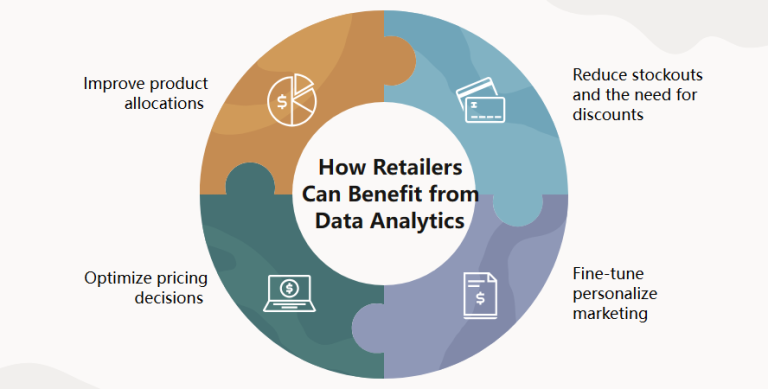
- Efficient supply chain management can increase the profit margin of fashion companies by several percentage points.
Breaking Down the Fashion Supply Chain
The fashion supply chain begins with the design of the clothing or accessories to be produced, including specifications such as color, fabric, stitching, and fasteners (buttons, zippers, Velcro, etc.). After receiving the specifications, manufacturers procure raw materials, formulate production plans, produce and assemble products, and distribute the finished products to warehouses. Subsequently, the products are shipped to retailers for sale both online and in physical stores. Retailers usually also have customer service teams to assist with answering questions and handling returns.
According to Statista, the global fashion industry’s revenue exceeded $1.5 trillion in 2022, with most manufacturing and production taking place in Asian countries due to their relatively low wages. Consumers in North America and Europe are increasingly demanding that fashion brands and retailers adhere to fair labor and environmental standards, which has forced the industry to evaluate suppliers based on these standards to some extent. Consumers also expect fashion brands and retailers to provide information about the origin of these products on their websites, product packaging, and shelf labels.
Why is the Fashion Supply Chain Important?
The supply chain is crucial to the fashion industry because it ensures that brands and retailers can produce and deliver the right clothing, accessories, and other products at the right time to meet the ever – changing customer needs in a highly competitive market. A well – managed supply chain can speed up turnover, reduce costs, and enhance the customer experience, thereby helping fashion producers and retailers maximize profits. Companies rely heavily on technology to manage every aspect of the supply chain to ensure these goals are achieved.
How Does the Fashion Supply Chain Work?
The fashion supply chain starts with the design creations of fashion designers. These designs are then sent to textile procurement companies or garment factories to turn fabrics into clothing. After the production of clothing is completed, quality control inspections are required. The clothing that passes the inspection will be sent to online distributors and logistics warehouses, or directly to physical retail stores for customers to purchase. Ultimately, in this complex network, the efficient flow of information and materials drives the development of the fashion industry.