Decoding Clothing Operations Data: Unveiling the Growth Logic of the Fashion Industry from a Data Perspective
Why is the clothing operation data analysis table so important to the fashion industry?
The fashion industry is a highly competitive and ever-changing field. Data analysis can provide in-depth insights into consumer preferences, trend forecasts, and product sales. Apparel operation data analysis tables provide fashion brands with a unique perspective to help them make informed decisions and optimize operational strategies.
1. How to create an effective clothing operation data analysis table?
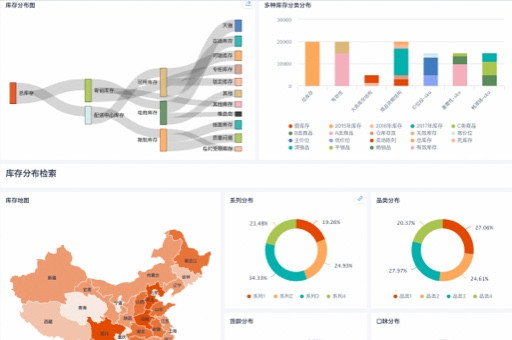
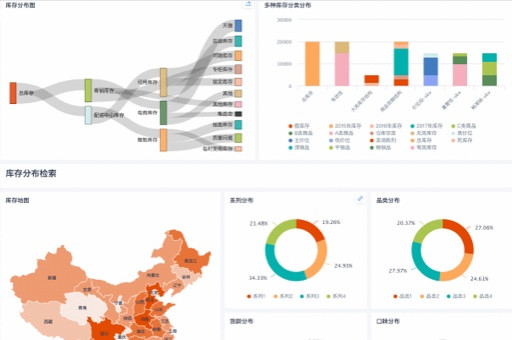
First, identify key business indicators, such as sales, profits, inventory levels, and sales channels. Then, collect large amounts of data and present them using data visualization tools. Finally, apply the data analysis results to operational decisions.
2. What indicators can be included in the clothing operation data analysis table?
Apparel operations data analysis tables can include metrics such as sales, sales volume, profit margins, inventory turnover, inventory levels, shopper traffic, customer conversion rates, market share, brand awareness, and competitor analysis.
2.1 Sales and Sales Volume
Sales and sales volume are key metrics for measuring business performance. By analyzing sales of different products, you can understand which styles, colors or sizes are most popular.
2.2 Profit Margin and Inventory Turnover
Profit margin and inventory turnover are important indicators for evaluating the financial status of an enterprise. High profit margin and fast inventory turnover mean that the enterprise is operating well, otherwise it needs further optimization.
3. How to use clothing operation data analysis tables to optimize operation strategies?
By analyzing data, fashion brands can discover changing trends in consumer preferences and adjust product strategies and marketing activities accordingly. In addition, data analysis can also be used to optimize supply chain management, inventory control and sales channel configuration.
3.1 Trend Forecasting and Product Development
By studying historical sales data and trend forecasting models, fashion brands can predict future fashion trends and develop new products accordingly to meet consumer needs.
3.2 Marketing and Customer Relationship Management
By analyzing shopper traffic and customer conversion rates, brands can determine which go-to-market strategies are most effective and build relationship management programs to increase customer loyalty.
3.3 Supply Chain Management and Inventory Control
With the help of data analysis, fashion brands can better manage supply chains, predict market demand, and avoid excessive inventory levels and the accumulation of unsaleable goods.
in conclusion
Clothing operation data analysis table provides a new perspective for fashion brands, helping them to gain a deeper understanding of consumer needs and optimize operation strategies. Through accurate data analysis, fashion brands can predict trends, develop new products, optimize supply chains and improve market competitiveness.
FAQ
Q: Which data analysis tools are suitable for clothing operations data analysis?
A: Commonly used data analysis tools include Excel, Tableau, Google Analytics, and SAS. Choose the tool that suits your business needs, and learn and use it in depth.
Q: How do you ensure the accuracy of the data?
A: To ensure the accuracy of data, fashion brands need to establish a sound data collection and management system, and conduct data cleaning and verification on a regular basis.
Q: Does data analysis require professional skills?
Answer: Although data analysis requires certain technical and statistical knowledge, modern data analysis tools have become easier to use, and beginners can quickly master basic data analysis skills through training and learning.
Q: Does every fashion brand need data analytics?
A: Data analytics is applicable to fashion brands of any size. Whether you are a large multinational company or an emerging brand just starting out, you can benefit from data analytics and gain a competitive advantage.
Q: How to determine key business indicators?
A: Key business indicators should be determined according to the operational goals and strategies of specific fashion brands. For example, if the brand’s goal is to increase profit margins, profit margins and inventory turnover can be used as key indicators.