Kwai: A Fashion Marketing Hub Overshadowed by TikTok
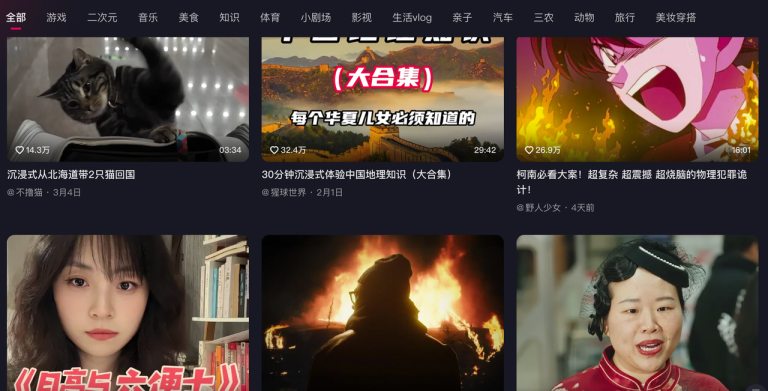
In today’s Chinese short video landscape, TikTok is undoubtedly the undisputed leader. With its powerful algorithm recommendations, abundant celebrity resources, and mature commercialization system, TikTok has become the preferred platform for brand marketing. However, under TikTok’s spotlight, another short video giant – Kwai – is often overlooked. Especially in fashion marketing, Kwai’s unique ecosystem and user base make it a platform with great potential.
1. Kwai’s User Ecosystem: Lower-Tier Markets and Authentic Social Connections
Unlike TikTok’s “polished” content, Kwai’s user base leans more toward “authenticity” and “lower-tier markets.” According to Kwai’s official data, its daily active users exceed 300 million, with a large portion coming from second- and third-tier cities and towns. This user structure creates a more “down-to-earth” community atmosphere with stronger user interaction and higher trust levels.
In fashion, Kwai users tend to focus more on “practical outfits,” “affordable finds,” and “authentic reviews” rather than the “luxury unboxings” or “influencer must-haves” commonly seen on TikTok. This difference makes Kwai’s fashion content more replicable and convertible, especially suitable for mid-range brands, domestic trendy brands, and fast fashion brands.
2. Kwai’s Advantages in Fashion Marketing
1. Highly Engaged Community with Strong User Trust
Kwai’s “laotie economy” (referring to loyal fan relationships) is one of its core strengths. Top hosts on Kwai (like Xinba and Dandan) have established extremely strong trust relationships with their fans. Fans are not only willing to purchase recommended products but even willing to support hosts through rankings or participate in their activities. This trust economy is particularly valuable in fashion marketing, as categories like clothing and cosmetics heavily rely on word-of-mouth and trial feedback.
2. Mature Live Commerce System
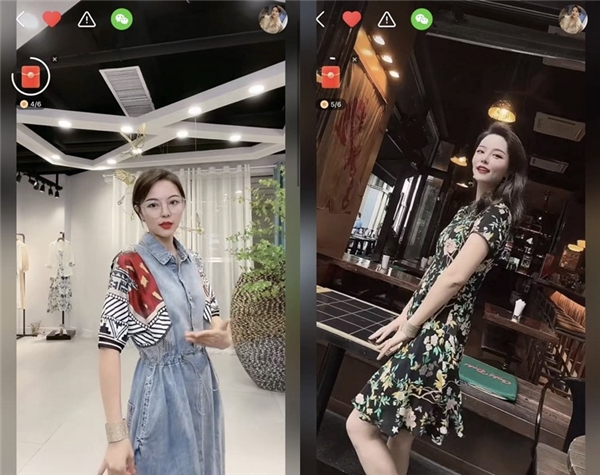
Kwai entered live commerce earlier than TikTok, and its “Kwai Shop” and “Kwai Alliance” systems are well-developed. Brands can reach consumers directly through self-hosted live streams or collaborations with influencers. Data shows that in 2022, Kwai’s e-commerce GMV exceeded 900 billion yuan, with fashion accounting for over 30%, demonstrating its strong potential in fashion consumption.
3. More “Authentic” Content with Better Conversion
TikTok’s fashion content is often heavily edited and filtered, which can lead to a disconnect between expectations and reality (“buyer’s remorse”). In contrast, Kwai’s videos are more raw – many influencers showcase clothing try-ons, fabric details, and styling tips in an unfiltered way. This authenticity makes purchasing decisions easier for consumers.
3. How Brands Can Leverage Kwai for Fashion Marketing
1. Partner with “Relatable” Influencers
On Kwai, followers value authenticity over glamour. Brands should prioritize influencers who specialize in affordable fashion and engage closely with their audience, rather than just focusing on follower count. For example, Kwai has many influencers dedicated to “plus-size styling” or “petite fashion,” whose recommendations resonate strongly with niche audiences.
2. Combine Live Streams with Short Videos
Kwai users often browse short videos before jumping into live streams to shop. Brands can adopt a “short video seeding + live stream conversion” strategy – for example, posting styling videos first, then offering exclusive discounts during live streams to drive immediate purchases.
3. Create “Laotie-Exclusive” Campaigns
Kwai users love interactive campaigns. Brands can design “followers-only discounts” or “group buy” events to boost engagement. For instance, a domestic streetwear brand once launched a “styling challenge,” encouraging users to upload outfit videos and tag the brand. Winners received free clothing, leading to a noticeable sales boost.
4. Challenges and Future of Kwai’s Fashion Marketing
Despite its strengths, Kwai faces some challenges:
- Lower Brand Perception: Many high-end brands still prefer TikTok, so Kwai needs to attract more premium labels.
- Content Style Differences: Kwai’s “rustic” image may deter some fashion brands concerned about prestige.
However, as Kwai refines its content ecosystem (e.g., launching a “Kwai Fashion” channel) and attracts more designer brands and celebrity hosts, its fashion marketing potential is gradually being unlocked. In the future, Kwai could emerge as another essential fashion marketing battleground alongside TikTok.
Conclusion
In the TikTok-dominated era of short video marketing, Kwai is severely underrated. Its authentic social connections, highly engaged users, and mature live commerce system make it a goldmine for fashion brands seeking to tap into lower-tier markets and drive high conversions. For brands looking beyond TikTok, Kwai might just be the hidden treasure they’ve been missing.