How Can the Operating Model of the Apparel Fashion Industry Adapt to Omnichannel?
I. Introduction
In today’s increasingly complex business environment, consumers’ shopping habits have undergone significant changes due to the success of e-commerce, with a large number of shopping behaviors shifting to online platforms. This has prompted various industries to move towards omnichannel marketing strategies, and the apparel fashion industry is no exception. However, merely changing strategies often fails to achieve the desired results. Updating the operating model to adapt to the omnichannel era is the key to success, which is crucial for the sustainable development of the apparel fashion industry.

II. Overview of the Omnichannel World
(I) The Development of Omnichannel Marketing
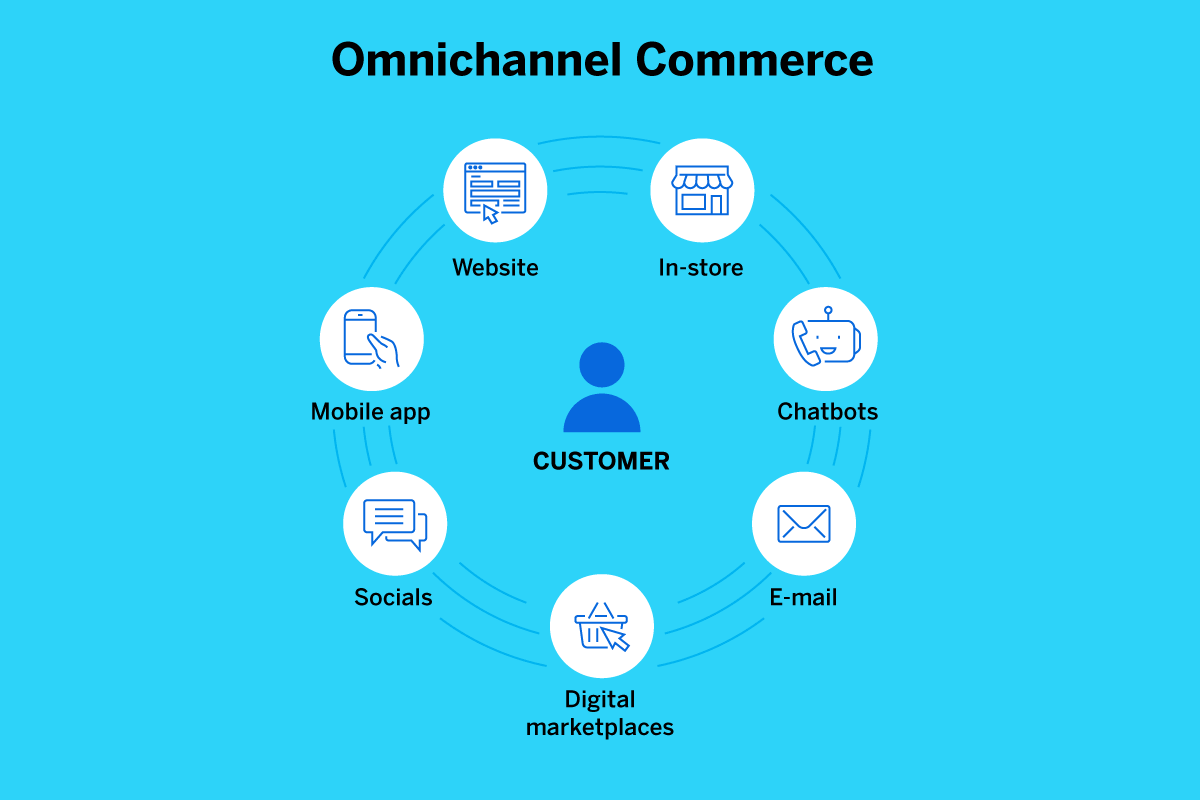
Since the booming development of e-commerce, omnichannel marketing has been gaining momentum. It requires the integration of online and offline channels to provide consumers with a consistent shopping experience. A study by the Harvard Business Review shows that 73% of consumers prefer shopping through multiple channels. Therefore, companies must integrate the different channels they use to interact with customers to maintain brand consistency.

(II) Benefits of Omnichannel for Both Sides of the Supply Chain
For consumers, omnichannel enables them to access a wealth of information. For example, they can look up product details on the web while shopping in a physical store. They also have opportunities to get better prices, offers, and enjoy services such as size charts, easy returns, and same-day deliveries. For businesses, omnichannel helps to create recognizable brands. The multiple touchpoints in business can not only increase revenue but also significantly improve customer loyalty and retention rates and drive sales in offline stores. However, to fully reap the benefits of omnichannel, the apparel fashion industry must update its operating model simultaneously.
III. Key Elements in Updating the Operating Model of the Apparel Fashion Industry
(I) Allocating Resources for Data Collection and Analysis Technologies
The omnichannel strategy can only reach its full potential when customer behavior is tracked. Recording and analyzing customers’ shopping history and preferences can enable personalized recommendations. In the current era of massive information on the web, personalized content is crucial for attracting customers’ attention. Research shows that 72% of customers only engage with personalized content. Moreover, according to Salesforce, customers are more likely to consider personalized offers necessary.
Customer journey mapping is an indispensable part of targeted marketing campaigns. Understanding the entire process of customers from learning about a brand to making a purchase helps expand the customer base. It is necessary to follow customers’ behaviors at all touchpoints, including website reviews, social media ads, in-store browsing, and final purchases.
Collecting feedback and incorporating it into the decision-making process can better serve customers’ interests. Data collection technologies facilitate large-scale feedback collection, and the analysis of the collected data helps identify common pain points. In addition, data collection and analysis can make inventory management of products across platforms more efficient, help optimize the supply chain, avoid restocking mistakes, and reduce waste. In short, the development of the operating model inevitably involves investing in data collection and analysis technologies. Today’s AI platforms are very helpful in understanding consumer data.
(II) Strengthening Communication Channels Among Various Teams
Channel integration is the primary aspect of omnichannel commerce. However, many companies often fail to do this effectively due to the lack of information flow among the teams responsible for different channels. For example, customers may start shopping on online platforms and then complete their purchases in offline stores. Best Buy found that many customers in its offline stores had already added their desired items to their online shopping carts.
Therefore, companies can send notifications to shoppers’ mobile phones to inform them that the products in their carts are available in offline stores. Such a strategy requires a close connection between online and offline channels. Another benefit of this connection is that offline stores can be customized according to online stores. For example, providing home delivery services can make customers more comfortable and thus drive sales. Given that 56% of online shopping occurred on mobile platforms in 2021, it is necessary to create a mobile app for the brand and ensure that it is consistent with the website’s user interface to maintain brand coherence.
In this process, an expert technical team is indispensable. Communicating the needs of the management to the human resources team can ensure the recruitment of appropriate personnel according to demand. In addition, quick delivery is one of the reasons why customers love online shopping. The delivery team needs to be highly responsive and well-organized. Companies can outsource relevant parts of the supply chain like Amazon does with its Amazon Relay program and ensure that external partners can be fully integrated into the company’s systems.
(III) Formulating Marketing Strategies
Omnichannel advertising needs to combine traditional methods with emerging ones. For example, apparel fashion brands can promote their products through email offers and social media messages while also promoting them in physical stores. In this case, it is crucial to disseminate the same message across all platforms to maintain the coherence of the brand image, and new products need to be launched simultaneously across all channels.
(IV) Understanding Customers
Omnichannel is a consumer-centered model. Only by updating the operating model to prioritize customers can the omnichannel strategy be successfully implemented. This requires a change in the governance structure, shifting from the traditional, internally focused, skills-based system to better serve the interests of customers. However, this may be quite challenging as it involves changing a long-established mindset. Before launching a product, researching the behavioral trends of target customers helps customize products according to their needs and increases the chances of the product’s success.
IV. Challenges and Countermeasures for the Apparel Fashion Industry in Adapting to Omnichannel
The apparel fashion industry faces numerous challenges in adapting its operating model to omnichannel. For example, changing the mindset is not achieved overnight. Integrating different channels involves the coordination of multiple aspects such as technology and personnel and requires a large amount of resources. However, in the face of these challenges, companies should adopt an open attitude and actively make adjustments and improvements to their existing operations.
Meanwhile, external factors such as the COVID-19 pandemic have accelerated changes in consumer preferences, making digital channels even more important while in-person shopping still retains its value. This requires apparel fashion companies to respond more flexibly and continuously update their operating models to ensure that they can provide customers with a smooth shopping experience across all channels.
V. Conclusion
The world is changing rapidly today, with new trends and technologies emerging continuously. The apparel fashion industry must keep up with the trends and develop accordingly. Updating the operating model to adapt to omnichannel is an inevitable choice. Regardless of the size of the company, it is necessary to adjust the operating model, overcome various obstacles, and create a high-quality shopping experience for consumers in the omnichannel era to achieve its own sustainable development and brand enhancement. Professional institutions like us, Fashiondevops, can also provide customized solutions to help companies move to a higher level of development in the omnichannel environment.