Operation Strategies for Fashion Clothing Websites Against the Background of the Economic Slowdown in Mainland China
I. Introduction
With the emergence of certain factors, the economic and social situation in mainland China is undergoing unpredictable changes. When the economic slowdown arrives, various industries are affected to different extents, and the fashion clothing industry is no exception. Fashion clothing websites, as important sales and display platforms for the clothing industry in the Internet field, need to adjust and optimize their operation strategies according to the changes in the economic environment.
II. The Impact of the Economic Slowdown on the Fashion Clothing Industry
(I) Changes in the Scale of the Clothing Consumption Market
The economic slowdown has led to a reduction in residents’ disposable income, resulting in a decline in consumers’ overall purchase demand for clothing and an obvious trend of consumption downgrading. Market research data shows that during the economic slowdown, consumers’ budget for clothing expenditures will be compressed, and non-essential clothing consumption will be postponed or cancelled, which directly leads to the shrinkage of the scale of the clothing consumption market. In particular, the mid-to-high-end clothing market is more obviously affected, and consumers are more inclined to buy basic clothing with relatively low prices.
(II) Changes in Consumer Behavior
- Increased Price Sensitivity
The economic slowdown has made consumers more sensitive to clothing prices. When purchasing clothing, consumers will pay more attention to cost performance and conduct more detailed comparisons and considerations of prices. They are more inclined to choose clothing with large discount 力度 and affordable prices, and their loyalty to brands may decrease due to price factors. - Rationalization of Consumption Concepts
Consumers’ consumption concepts have gradually shifted from the pursuit of fashion trends and brand images to focusing on the quality, practicality and durability of clothing. During the economic slowdown period, consumers will evaluate the actual value of clothing more carefully, avoid impulsive consumption and blind following of trends, and are more inclined to buy classic styles and multi-functional clothing.
(III) Adjustment of the Industry Competition Pattern
- Traditional Clothing Enterprises Accelerate Online Transformation
During the economic slowdown period, traditional clothing enterprises are facing difficulties in offline sales channels. In order to expand the market and reduce costs, they have accelerated their transformation to online platforms one after another. This has made fashion clothing websites face fierce competition from traditional clothing enterprises, and the market competition pressure has further increased. - Intensified Industry Consolidation
The economic slowdown has made it difficult for some small clothing enterprises and brands to survive, and the trend of industry consolidation has intensified. Large clothing enterprises and brands expand their market share and increase industry concentration through mergers and acquisitions, cooperation and other means. For fashion clothing websites, this means that they need to cooperate with more powerful partners and also face the risk of being integrated by large enterprises.
III. Operation Strategies for Fashion Clothing Websites Against the Background of the Economic Slowdown
(I) Optimize User Experience
- Website Interface Design and Function Optimization
- Simple and Practical Layout:
Against the background of the economic slowdown, consumers’ patience and attention are more limited. Therefore, the website interface design should be more concise and clear, avoiding excessive decoration and complex layouts. Adopt a simple menu design, clear classification navigation and intuitive search function to enable consumers to quickly find the clothing products they need.
For example, clothing products can be classified according to price ranges, styles, seasons, genders, etc., to facilitate consumers’ screening. At the same time, display popular products, promotional activities and new product recommendations on the homepage to attract consumers’ attention. - Highlight Cost-performance Information:
Since consumers pay more attention to cost performance during the economic slowdown period, the website interface design should highlight the price advantages and cost-performance information of products. The original price and discounted price can be clearly marked on the product display page so that consumers can clearly see the price discounts at a glance.
In addition, sections such as the “Cost-performance Ranking List” can be set up to display products with high cost performance and guide consumers to make purchases. For example, basic clothing with affordable prices and good quality can be ranked at the top of the list to attract consumers’ attention. - Emphasize Practicality and Durability:
During the economic slowdown period, consumers pay more attention to the practicality and durability of products. Therefore, the website interface design should highlight the quality and practicality information of products. Detailed information about the materials, craftsmanship, sizes, etc. of products can be introduced on the product display page to let consumers understand the quality and practicality of products.
At the same time, a “User Evaluation” section can be set up to display consumers’ evaluations and feedback on products, enhancing the credibility and attractiveness of products. For example, positive comments from users on product quality and practicality can be displayed on the product page to guide consumers to make purchases.
- Personalized Services and User Interaction
- Utilize big data and artificial intelligence technologies to provide users with personalized clothing recommendations based on data such as users’ browsing history, purchase records and favorites. For example, recommend new clothing styles and matching schemes that match users’ preferred styles to them.
- Establish user communities and interactive platforms. Encourage users to share their fashion outfit experiences, clothing evaluations, shopping experiences, etc. on the website. Through the interaction and communication among users, enhance users’ stickiness and loyalty to the website.
- Provide high-quality customer service. Establish a professional customer service team to respond promptly to users’ inquiries, complaints and suggestions. Communicate with users through multiple channels such as online customer service, customer service hotlines and emails to solve users’ problems. During the economic slowdown period, users are more sensitive to the quality of service. If the customer service is not in place, it is easy to affect users’ satisfaction and loyalty.
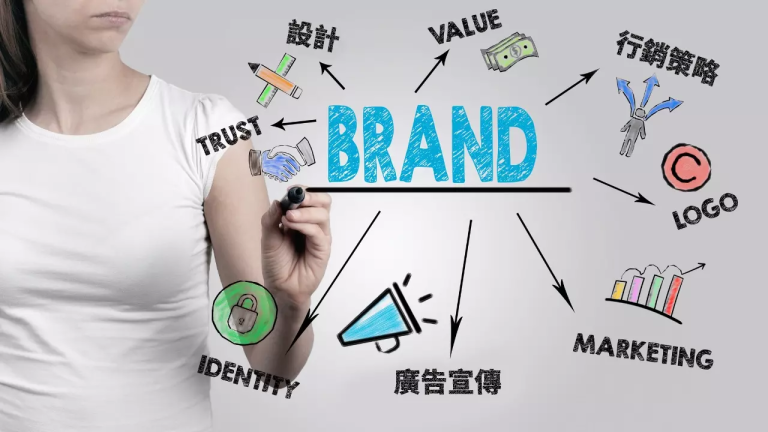
(II) Strengthen Brand Building
- Clarify Brand Positioning
- According to consumers’ needs and market competition conditions during the economic slowdown period, re-examine and clarify the brand positioning of the website. You can choose to focus on specific consumer groups, such as young office workers, student groups, middle-aged and elderly consumers, etc., and provide corresponding clothing products and services according to the characteristics and needs of different groups.
- Reshape the core values of the brand. For example, position the brand as environmentally friendly, durable, with high cost performance, combining fashion and practicality, etc., and convey the core values of the brand to consumers through brand promotion and product promotion to win consumers’ recognition and trust.
- Brand Image Shaping and Communication
- Optimize the brand logo, brand slogan, brand visual image, etc. Through a unified brand image design, establish a clear and unique brand impression in consumers’ minds.
- Utilize multiple channels for brand communication. In addition to traditional advertising publicity, emerging channels such as social media, fashion blogs and cooperation with online influencers can also be used for brand promotion. For example, release brand stories, fashion information, clothing matching skills and other content on social media platforms such as Weibo, WeChat and Douyin to attract users’ attention; cooperate with fashion bloggers and online influencers to promote and publicize clothing products.
(III) Innovate Marketing Models
- Pricing Strategies
- Formulate flexible pricing strategies. During the economic slowdown period, promotional methods such as discounts, full reductions and buy-one-get-one-free can be adopted to attract consumers. At the same time, differentiated pricing strategies can be formulated according to different clothing categories, sales seasons, market demands and other factors.
- Launch a membership system. Provide members with preferential policies such as points, discounts and priority purchase rights to encourage consumers to become members and improve users’ loyalty and repeat purchase rates.
- Content Marketing
- Create rich fashion content. In addition to the display and sale of clothing products, content such as interpretations of fashion trends, introductions to clothing culture and exclusive interviews with fashion figures can also be provided. By providing valuable fashion content, attract users’ attention and improve users’ stickiness to the website.
- Utilize multimedia forms such as videos and live broadcasts for marketing. For example, produce clothing display videos, fashion outfit videos, designer interview videos, etc., and spread them through video websites, social media and other platforms; carry out clothing new product launch conferences, fashion outfit live broadcasts and other activities to enable users to understand the characteristics and advantages of clothing products more intuitively.
- Cross-border Cooperative Marketing
- Conduct cross-border cooperation with brands, enterprises and institutions in other industries. For example, cooperate with industries such as culture and art, tourism and sports to launch joint clothing products and hold joint marketing activities. Through cross-border cooperation, expand the influence and market share of the brand and provide users with more diversified products and services.
(IV) Expand Diversified Businesses
- Expand Product Lines
- On the basis of clothing categories, expand into related fashion product fields. For example, increase accessories, footwear, beauty products, etc., to provide users with a one-stop fashion shopping experience.
- Develop own-brand products. Through cooperation with designers and suppliers, develop own-brand clothing and fashion products with website characteristics to improve product differentiation and competitiveness.
- Explore New Business Models
- Launch clothing rental business. During the economic slowdown period, consumers’ demand for clothing purchases may decrease, but the demand for clothing use still exists. Launching the clothing rental business can meet consumers’ dressing needs on different occasions and reduce consumers’ use costs at the same time.
- Explore second-hand clothing trading platforms. Establish second-hand clothing trading platforms to provide users with services such as buying, selling and exchanging second-hand clothing. Through second-hand clothing trading, realize the recycling of clothing resources and provide users with more choices and benefits at the same time.
IV. Conclusion
The economic slowdown in mainland China has brought severe challenges to the operation of the fashion clothing industry, but it has also provided opportunities for its development. Through the comprehensive application of operation strategies such as optimizing user experience, strengthening brand building, innovating marketing models and expanding diversified businesses, fashion clothing websites can reduce negative impacts and tap potential opportunities during the economic slowdown period and achieve sustainable development. In the process of implementing these operation strategies, website operators need to continuously adjust and optimize strategies according to market changes and user needs to improve the competitiveness and user stickiness of the website. At the same time, they should focus on innovation and breakthroughs, actively explore new business models and operation methods, and inject new vitality into the development of fashion clothing websites.