
Fashion Tech Predictions for 2025
Fashion evolves at a rapid pace. Thanks to the accelerating effect of technology, we may witness it developing even faster this year.
However, before I start my predictions for 2025, I’d like to compare the upcoming wave of change to the early 1990s when the World Wide Web was invented and commercialized. For those of us who were already in our careers at that time, the ubiquitous anticipation and uncertainty feel very familiar.
It goes without saying now, but the Internet was a transformative moment for every industry, and the fashion industry was one of the earliest industry drivers to take advantage of it. By 1995, several global enterprises had launched their online marketplaces – companies like eBay and Amazon, which grew rapidly – and then e-commerce business exploded in the following years.
Certainly, some organizations failed to see the true potential (and the real scale) of the Internet in time, but history shows that when a major technological revolution arrives, it’s the enterprises that embrace it early that thrive.
Looking back also reminds us that despite all the exciting new possibilities, the most profound changes often come from figuring out how to deploy new disruptive changes to optimize existing business models, eliminate inefficiencies, and connect people in new ways. For example, before the Internet entered the fashion industry, we were struggling to communicate using paper-based systems, internal team’s PDM (Product Data Management), telex, fax, and clumsy emails as our means of contacting external partners.
Then the fashion industry turned to using the Internet and quickly began the transition to instant messaging, video conferencing, and then social media and cloud-native PLM (Product Lifecycle Management) – all of which combined have revolutionized how we share and connect with internal teams, supply chain partners, and consumers.
The Internet has unleashed many new possibilities, but its truly lasting impact has been to democratize the fashion ecosystem, quickly tearing down physical barriers and igniting global trends like wildfire. It empowers independent voices, elevates new creativity and new business models, reshapes marketing, kick-starts fast fashion, and redefines fashion’s relationship with traditional seasons and styling. Much of what we take for granted in the fashion world today is younger than many people realize, and most of it is directly attributable to the dawn of the web.
Today, researching AI feels like going back to that heady era of dial-up Internet when we used 14.4k and 28.8k modems to communicate with our supply chain partners. This technology isn’t ready for prime time yet, just like in the early days of the Internet, but it’s the same potential that I feel, the excitement of exploring a vast, largely unknown territory. Over time, this technology will mature (for example, the jump from modem to ADSL was achieved in the early 2000s), and every industry – especially the fashion industry – will see the same kind of rapid development that we saw, from deciphering mysterious URLs to interacting with intuitive web applications, with equally delightful glories and unexpected stumbles along the way.
However, the key difference is that I believe we’ll move through that maturity curve at an exponentially faster rate. Predicting what’s on the other side is easier in some ways (because the capabilities already exist), but harder in others because building innovation on top of innovation is inherently unpredictable.

Back then, the full potential of the Internet was unknown. Could anyone in the mid-1990s really predict TikTok – with all its positive and negative impacts – with Netscape Navigator as their only reference frame?
AI is in the same position today, with concerns about security, privacy, and social impacts dominating the headlines. Again, we’re still not sure how AI will evolve – many people, including some of its creators and custodians, don’t understand exactly how it works. There are concerns about its development and application – some of which are entirely justified. Its widespread adoption could have long-term consequences: job losses, algorithmic bias, intellectual property protection, privacy and security, and the urgent need for transparency and accountability from the companies behind the leading-edge models.
As we move forward, just like in the early days of the Internet, we need to address these issues with the help of researchers, policymakers, and the public to ensure that AI can be effectively, safely, and successfully embedded throughout the fashion industry – because that embedding is already well underway.
With all that in mind, enough of the past: let’s look at some of the new trends that can be expected in 2025, all of which AI will either underpin or help accelerate.
Hyper-personalization
The future of AI in fashion trend analysis is full of exciting possibilities and is expected to revolutionize the way we understand and predict what will sell, and perhaps more importantly, what won’t sell. Unlike humans, AI algorithms can sift through and reveal insights from vast amounts of data from diverse sources, including fashion shows, street style photos, social media trends, fashion influencers, e-commerce platforms, brands’ own real-time sales data, and search engine queries. They can provide up-to-date and continuous data, and with the right systems, this data can feed into LLMs (Large Language Models), which users can then interact with as a kind of trend oracle and use to inform the design and development of the next cycle for an entire brand.

The same principle can be extrapolated to personalized product creation; AI can accurately and comprehensively understand what people wear, buy, and talk about (both positive and negative sentiment), reveal hidden patterns and emerging trends, and then consumers can use this information to inform their personal style, and brands can offer this as a consumer-facing service, with on-demand production as the backend.
Brands that truly understand their customers – their gender, age, hobbies, body shape, actual size, fit preferences, color choices, product types, previous purchase history, and even where they live – will be able to offer hyper-personalized products. Brands that follow this path and operate using personalized data will be able to create new customization models and, to some extent, achieve mass customization models, offering new benefits such as higher profit margins, positive customer satisfaction, reduced return rates, and less inventory.
Image Recognition and Understanding
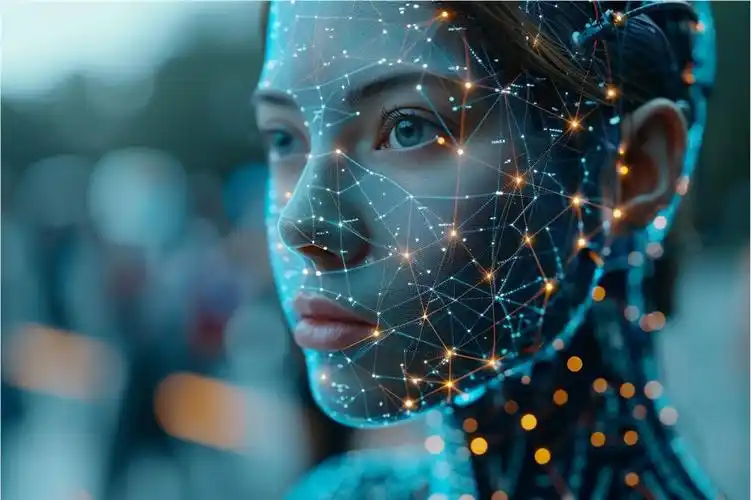
Although AI has been used for this purpose, its role goes far beyond recognizing colors and patterns in images. It can analyze the nuances of silhouettes, prints, plains, textures, and even the emotions evoked by specific clothing or footwear styles. This deeper understanding will lead to more precise trend predictions and personalized recommendations.
Trends and Mood Boards
AI can analyze the cultural and social context around fashion trends, considering factors such as current events, (ESG) environmental and social sustainability, regional, national or city-level economic conditions, celebrity influencers, and even AI influencers! This holistic approach will lead to a more nuanced understanding of what drives trends and how they might evolve.

Design and Development
As AI gains momentum (and, most importantly, builds trust), design teams will, with the help of IT departments, build (LM) models that will absorb the latest trends (weekly, daily, hourly) and use AI prompts (text descriptions) and computer vision to generate new design inspirations in just a few minutes. Generative AI models will be used to illustrate design briefs automatically and to support the creation of stories and articles for product launches.

AI will significantly enhance the value of 2D sketches by training on 2D patterns, photos, and 3D data as well as rendering techniques to quickly turn them into photo-realistic 3D images that can inspire breakthrough designs related to given body dimensions, the scale of prints, logos, design assets, or embroidery – and these, in turn, will be displayed on human-like avatars.
Developers using PLM data will be able to access (LLMs) to explore and analyze sustainable materials and processing methods, which will help make better choices for more sustainable design. AI will use data-driven insights rather than just human intuition to accelerate and inspire design and development teams.
AI Image Enhancement
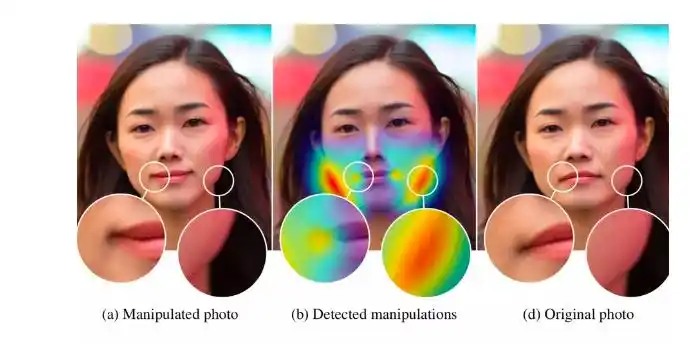
AI image enhancement tools will be integrated into design, development, and manufacturing teams, offering multiple use cases and bringing significant value to all partners by upscaling low-resolution images and converting them into clear, high-resolution photos driven by intelligent algorithms. AI tools like Color LUT and Vance AI can adjust tones, enhance vibrancy, and correct light imbalances to ensure that clothing photos shine in the intended hues. Many use case examples include wrinkle removal, background replacement, creative scene setting, and material texture enhancement. These are just a few examples.
Digital Twins
The use and value of digital twins will continue to grow, partly due to the combination of AI with IoT (Internet of Things), physical devices, embedded sensors, and other technologies like blockchain software, which will help collect data throughout the end-to-end value chain.

Text to Video
Text to video is another extension of generative AI that will see rapid growth this year and has a wide range of use cases. Here are a few examples: Brands can train their AI models to interpret the advantages of their company’s products in moving videos rather than 2D or 3D images. Design teams can use text prompts (keywords) to see their ideas come to life, for example, “Bohemian T-shirt”. The text to video model will generate a video that includes a collage of the T-shirt and accessories, bringing inspiration to the team.
Virtual fashion shows are another example of text to video that designers can use as part of their growing toolkit. Turning 2D trend predictions and mood boards into AI-generated dynamic video collages that showcase new designs, materials, and silhouettes will become a new reality. Many more use cases will benefit from text to video, especially for downstream teams in marketing.
Smart Fabrics and Wearable Devices
I hope to see materials and wearable devices that are not just good-looking. The possibilities are endless, from fabrics that can monitor your health and heart rate to clothing that changes color according to temperature or texture. Imagine a sweatshirt that can track your heart rate and adjust resistance for you, or a dress that changes color according to your mood or in relation to sunlight. Footwear and accessories: Most people wear smart watches, don’t they? So, why can’t we embed sensors into products other than RFID tags and QR codes?

Sustainable Fashion and the Upstream Value Chain
AI will help optimize product planning, material, and resource allocation. At the same time, AI will simplify the value chain and minimize waste by improving design, eco-friendly printing, cutting, and manufacturing processes. AI will also help predict demand with astonishing accuracy, prevent overproduction, introduce new on-demand models, and ensure that the right products reach the right people at the right time.

AI will also help enable the future of agile manufacturing, ensuring that every digital thread and every digital stitch contributes to both profit and environmental sustainability. AI can help minimize waste and track the life cycle of every product from seed to thrift store. The influence of AI will extend further upstream in the value chain, guiding sustainable sourcing decisions and identifying ethical partners based on current KPIs (Key Performance Indicators). It will be able to detect potential disruptions in the value chain, reduce risks, and ensure resilience.
In all these use cases, we should ensure that AI has a conscience, making transparency and accountability a competitive advantage.
By adopting AI upstream, brands can not only optimize their processes but also tap into a wealth of innovation and vision. Brands will be able to create a fashion ecosystem that is not only responsive but also responsible, respectful of resources, and values ethics, paving the way for a more sustainable and adaptable fashion industry.
3D-DPC: From Click to Catwalk
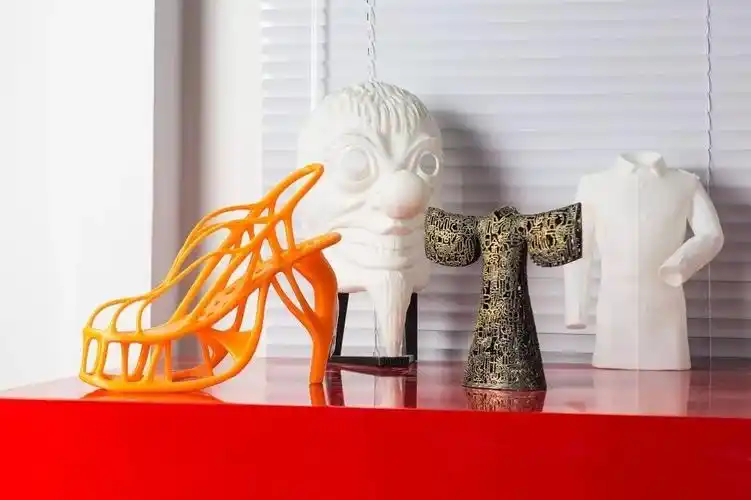
On-demand fashion: Forget about supply chain headaches and inventory nightmares. 3D-DPC is the fashion replicator that will transport custom clothing from the digital realm to customers’ doorsteps (or more likely, their living room printers). 3D-DPC is not just about convenience; it’s about sustainability, significantly reducing delivery times, minimizing carbon footprint, and providing unprecedented instant gratification. But remember, with great power comes great responsibility. Invest in robust intellectual property protection measures, ethical sourcing practices, and responsible waste management to ensure that your brand is not just fast; it’s ethical.
Metaverse Transformation
Fashion beyond the physical is gaining new momentum in the Metaverse; it’s another frontier for brand experiences. Virtual showrooms filled with digital collections are accessible to a global audience 24/7. Think of personalized avatars, sportswear that can also be bought in-store or online, influencing trends that ripple through the real world. The Metaverse is not just about pixels and polygons; it’s a whole new dimension of customer interaction and brand storytelling that could help generate new revenue streams. Embracing the Metaverse to build brand loyalty beyond geographical boundaries and physical limitations is another marketing channel.

Ethics of Fashion Tech Takeover
Data privacy, intellectual property, and potential biases in AI-driven design are just some of the threads that we must carefully build into our models. Brands should invest in robust data governance, responsible sourcing practices, and ethical AI development to ensure that their brands become leaders with an innovative and socially responsible spirit.
Takeaways?
Now is the time to seize this opportunity; remember eBay and Amazon in the 1990s. They were early adopters of the web, and they are major forces today. The Internet and AI are both powerful engines for economic growth and innovation. While the Internet has helped revolutionize information access and communication, AI is expected to change the way we work, consume, and make decisions. To fully realize its potential and mitigate its potential negative impacts requires careful policy, education, and responsible development.
I believe that by 2025, the executive pioneers who truly harness the potential of AI throughout the entire value chain will shape the future of fashion and redefine its essence. 2025 is not just another year of fleeting trends. It’s about weaving your brand into the fabric of the future. Embrace the technological threads, invest in strategic partnerships, and be ready to confidently navigate the digital runway. The future of fashion is yours to sew. Innovate boldly, sustainably, and build your own brand.